Have you ever walked into a room and felt an immediate sense of warmth and character emanating from the floor? Often, that feeling is tied to the timeless beauty of hardwood, and specifically, the versatile nature of unfinished red oak flooring. But what exactly makes this material such a compelling choice for so many homeowners and designers? Is it simply about cost savings, or is there a deeper artistic and practical advantage to starting with a blank slate? Let’s delve into the nuanced world of unfinished red oak flooring and explore whether it truly offers the ultimate control over your home’s aesthetic foundation.
Why Go Unfinished? The Allure of Raw Potential
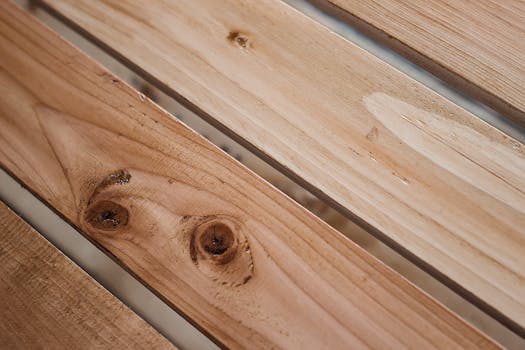
The term “unfinished red oak flooring” conjures images of raw, natural wood planks waiting for their destiny. Unlike pre-finished options, which come with a factory-applied stain and protective coating, unfinished planks arrive in their natural state. This is where the magic truly begins. It’s not just about avoiding the manufacturer’s pre-selected look; it’s about embracing a level of customization that simply isn’t possible otherwise.
Think of it like a painter starting with a fresh canvas. The possibilities are boundless. You’re not limited by a specific shade of brown or a particular sheen. Instead, you have the power to dictate the exact hue, the depth of the color, and the protective finish that will not only enhance the wood’s natural grain but also align perfectly with your home’s evolving style. This granular control is the primary draw for many who choose unfinished red oak flooring.
The Artistic Palette: Staining for Unparalleled Customization
This is arguably the most significant benefit of choosing unfinished red oak flooring. The staining process allows for an almost infinite spectrum of color possibilities. Whether you’re dreaming of a light, airy Scandinavian-inspired look, a rich, deep espresso, or something entirely unique, the power is in your hands (or your installer’s hands, to be precise).
Experimentation is Key: You can test different stain colors on scrap pieces of wood to see how they interact with the red oak’s natural undertones. Red oak, as its name suggests, has a naturally reddish hue, which can influence how stains appear. A gray stain might look slightly cooler on white oak, for instance, but on red oak, it can take on a warmer, more complex tone.
Achieving Harmony: Want your floors to precisely match your trim, your cabinetry, or a favorite piece of furniture? Staining offers that precise color-matching capability. This level of coordination can elevate a room from good to spectacular.
Considering Long-Term Style: Trends come and go. While a bold, trendy stain might be appealing now, opting for a more classic or neutral tone for your unfinished red oak flooring can provide a timeless foundation that’s easier to live with and adapt to future décor changes.
Beyond Color: The Crucial Role of the Finish
Once stained, the next critical step is applying the protective finish. This isn’t merely about adding shine; it’s about durability, protection, and the final tactile experience of your floor. Unfinished red oak flooring demands a high-quality finishing process to ensure longevity and resilience.
Types of Finishes: You’ll encounter various options, each with its pros and cons. Polyurethane (oil-based and water-based) is the most common, offering excellent durability. Oil-based tends to offer a warmer tone and is more forgiving to apply but has stronger fumes and a longer drying time. Water-based dries faster, has lower VOCs, and is clearer, but can be more prone to scuffing if not applied correctly. There are also penetrating oils and waxes, which offer a more natural, matte look but typically require more maintenance.
Sheen Levels: From ultra-matte to high-gloss, the sheen level significantly impacts the floor’s appearance and how it reflects light. A matte finish can hide minor imperfections and create a softer look, while a high-gloss finish can make a room feel larger but will show every speck of dust and every scuff mark.
Durability and Maintenance: Consider your lifestyle. Do you have pets? Young children? Heavy foot traffic? The chosen finish will dictate how well your floor stands up to daily wear and tear and how easy it is to clean and maintain. A well-applied, high-quality finish is non-negotiable for a lasting investment.
Navigating the Installation and Sanding Nuances
It’s easy to get caught up in the aesthetic possibilities, but the practicalities of installing and sanding unfinished red oak flooring are equally important. This is where the expertise of a seasoned flooring professional truly shines.
The Importance of a Skilled Installer: Unlike pre-finished floors, which can sometimes be a DIY project, installing and finishing unfinished wood flooring is a job best left to the pros. They understand how to acclimate the wood, lay it properly to prevent cupping or gapping, and, crucially, sand it to a perfectly smooth surface.
Sanding is Paramount: A professional sanding job is critical. It involves multiple passes with progressively finer grits of sandpaper to achieve a flawless, smooth surface. If the sanding isn’t done meticulously, any imperfections will be glaringly obvious once the stain and finish are applied. This initial sanding is also the stage where any minor imperfections in the milling of the planks are corrected.
Dust Containment: Modern sanding equipment offers excellent dust containment, but it’s still a process that generates fine dust. A professional will manage this effectively to minimize disruption to your home.
When Does Unfinished Red Oak Flooring Make the Most Sense?
So, is unfinished red oak flooring the right choice for everyone? Not necessarily. It requires a greater investment of time, planning, and professional labor compared to its pre-finished counterpart. However, it excels in specific scenarios:
Ultimate Design Control: If you have a very specific vision for your home’s aesthetic and want complete control over the color and finish.
Renovations and Remodels: When you’re undertaking a significant renovation, installing unfinished flooring allows you to perfectly match existing wood elements or create a cohesive new look throughout the entire space.
Unique or Custom Looks: For those seeking a truly one-of-a-kind floor that reflects their personal style, rather than a mass-produced option.
* Cost Considerations (with a caveat): While the raw material cost might be lower than some high-end pre-finished options, the cost of professional installation and finishing can offset initial savings. However, if you prioritize the customization over immediate cost, it can still be a financially sound decision.
Final Thoughts: Is Your Vision Worth the Journey?
Choosing unfinished red oak flooring is an invitation to participate actively in the creation of your home’s foundation. It’s a commitment to a process that, while demanding, rewards you with unparalleled customization and a floor that is uniquely yours. It’s about more than just covering your subfloor; it’s about crafting an enduring element of your home’s character.
Ultimately, the decision to embrace the raw potential of unfinished red oak flooring boils down to your priorities. Are you seeking an immediate, convenient solution, or are you willing to invest in the journey for a truly bespoke outcome?